|
|
As we aim for continuous improvement and to address your information needs as best as possible, you can fill out this short feedback survey if you have any comments or questions. Thank you for your support!
|
|
|
UKRAINE | Launch of the report “Experiences, needs and aspirations of children, adolescents and caregivers displaced from Ukraine” with Save the Children International
|
|
|
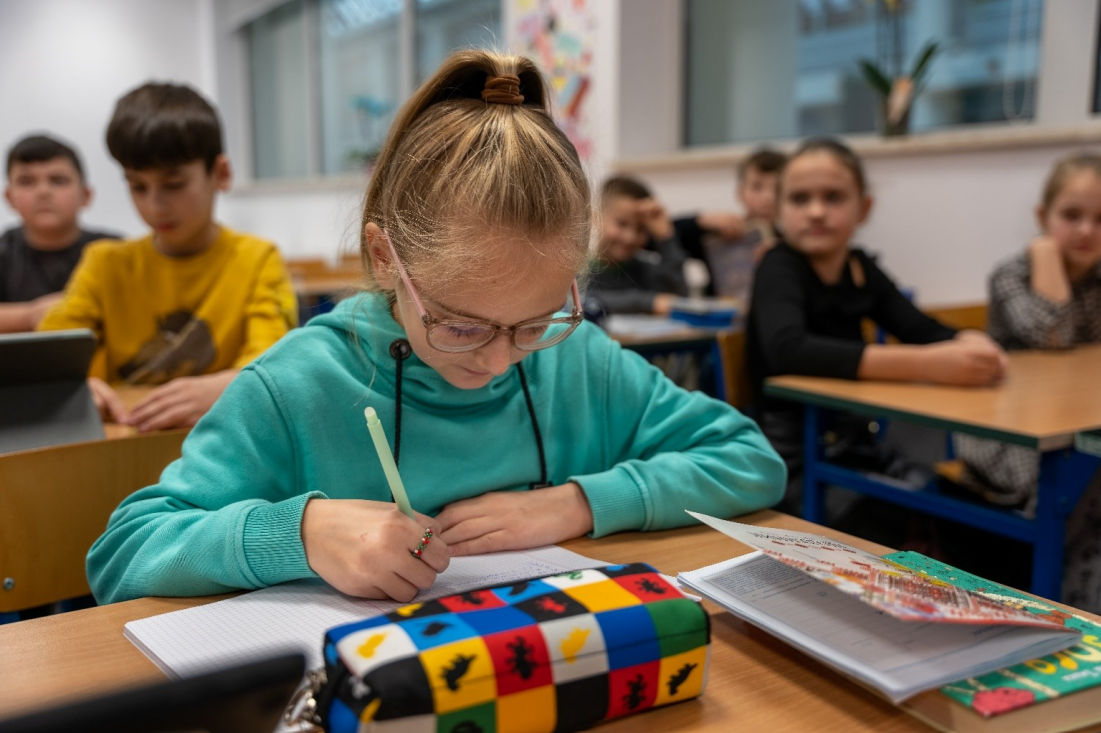
Yana (name changed), 9, sits at her desk at the Ukrainian school in Warsaw Paul WU, DEC
|
IMPACT and Save the Children International (SCI) conducted a mixed-methods child protection (CP) and cash assessment between November 2022 and April 2023 to better understand the needs and experiences of the refugee children and their caregivers in Europe. The report – which was launched on 20 September – includes the results of nearly 15,300 surveys with adult refugees living in 24 European countries, as well as consultations with 307 children and adolescents, 115 child caregivers, 33 host community members, and 34 child service providers in Poland and Romania.
About six million refugees from Ukraine were displaced across Europe as of mid-August 2023, 34 % of whom are children. This study found that refugee children and caregivers from Ukraine feel generally safe in their host countries and enjoy, for the most part, access to a range of services. Yet many continue to face challenges as a result of their displacement.
During the consultations in Poland and Romania, children said that they were most worried about missing their family, friends or pets left behind in Ukraine.
|
|
|
I am worried whether we will be able to return to Ukraine to my dad and my kitten.
|
|
|
They also expressed concerns about not knowing the local language of the host country and about experiencing xenophobic remarks and bullying in their host location. In addition, children said what they needed the most was better access to extra-curricular activities, especially sport.
The majority of families - about 87% - intended to stay in their current location in the short-term, mainly due to security reasons and better access to education, but most families planned on returning to Ukraine once the security situation allowed. Limited employment opportunities combined with the cost-of-living crisis are also having an impact on Ukrainian refugees. According to a female caregiver in Romania: “We really need jobs for half a day or part-time jobs because everyone has children, and usually everyone here is alone, with no one to help. For example, I am alone here with two children. I can't leave them alone, and there are many people like me here.”
|
|
|
The report provides a unique insight into the experiences of refugee children from Ukraine. Children are telling us that they generally feel safe and welcomed in their host communities, but that they also face emotional and practical challenges. They need access to extra-curricular activities, such as sport and music, which they can take part in alongside local children. It’s essential that host governments provide specialised support for low-income refugee families, so that no child is left behind.
|
Magdalena Rossmann, Regional Deputy Programme Development & Quality Director – Ukraine Regional Refugee Response for Save the Children
|
|
|
|
|
SOUTH SUDAN | Critical conditions for returnees fleeing the conflict in Sudan and an urgent call for increased funding to sustain lifesaving aid
|
|
|
Highly vulnerable returnees to South Sudan, fleeing the conflict in Sudan, are facing dire conditions in both transit areas near the border as well as in local host communities. Critical rates of acute malnutrition and measles outbreaks in transit locations, in addition to emergency levels of acute food insecurity in areas of return, signal a rising risk of preventable loss of life. As conditions worsen, additional funding is needed to ensure lifesaving aid can be sustained and to close alarming funding gaps that response actors currently face.
|
|
|
|
|
|