If you are not able to see the images in this email, some of which include links, please ensure that you have enabled visibility of images from this sender, which may appear above the email. 

View this mail in your browser

Dear readers, this newsletter aims to bring you the latest updates and product from IMPACT and its initiative REACH. 

Multi-Sector Needs Assessments 2025 – Publication of our first products!  

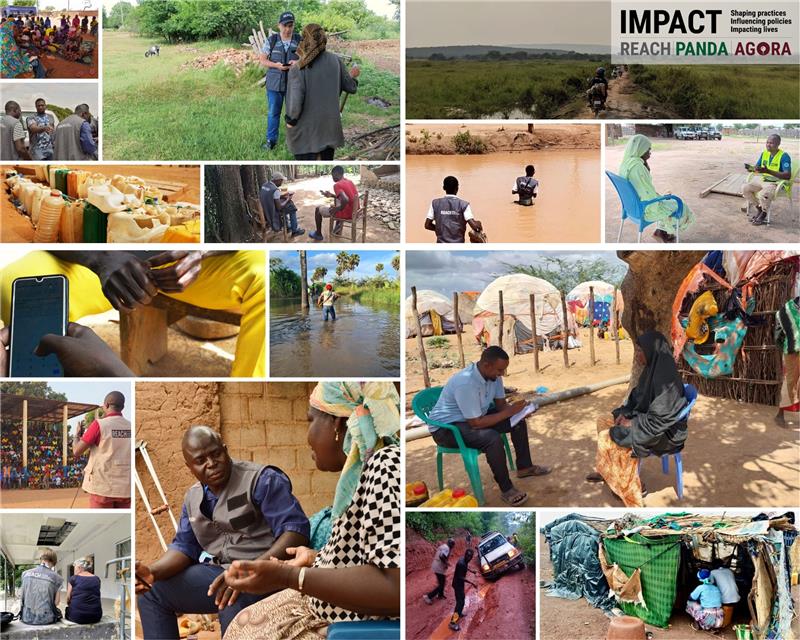
For nearly a decade, IMPACT  – through its REACH initiative – has been conducting Multi-Sectoral Needs Assessments (MSNAs) in an increasing number of crises. Thanks to the support of our donors and partners, we’ve been able to carry on in 2025 despite global funding challenges. At a time when evidence-based prioritization is more important than ever, MSNAs provide rigorous, reliable data to support the ongoing annual planning of humanitarian response.  

Learn more about the MSNA objective, methodology and coverage

After sharing preliminary findings with humanitarian stakeholders over the past two months, the final MSNA information products are now being published in our Resource Centre, providing an overview of the needs, vulnerabilities and preferences of crisis-affected populations.   

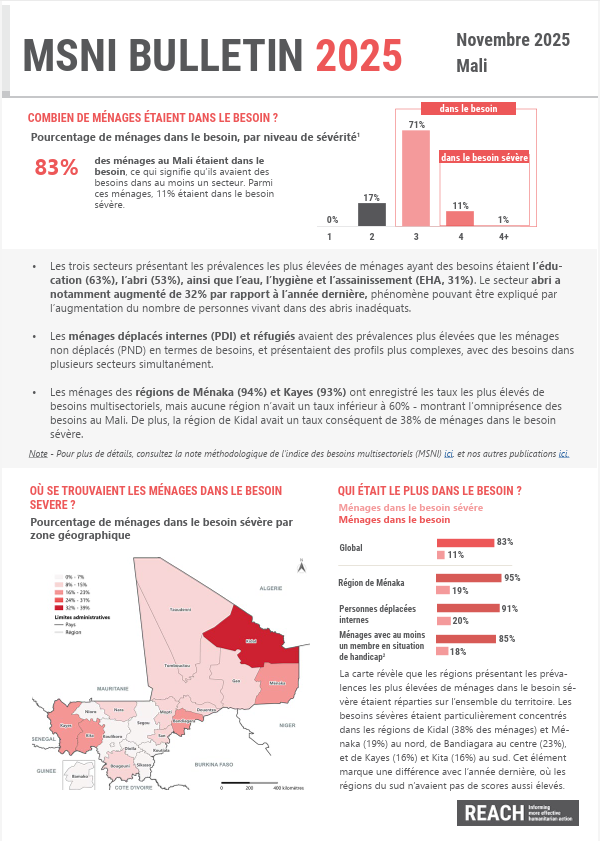
MALI

80% of households in Mali are in need. Compared to last year, this figure has increased by 9%, showing a worsening of needs at the national level. This deterioration is mainly explained by the fact that the shelter sector has increased by 32% compared to last year, a phenomenon that can be explained by the increase in the number of people living in inadequate shelters—especially in the southern regions, which is consistent with the intensification of armed conflict in these areas.   

Read the Mali MSNI bulletin

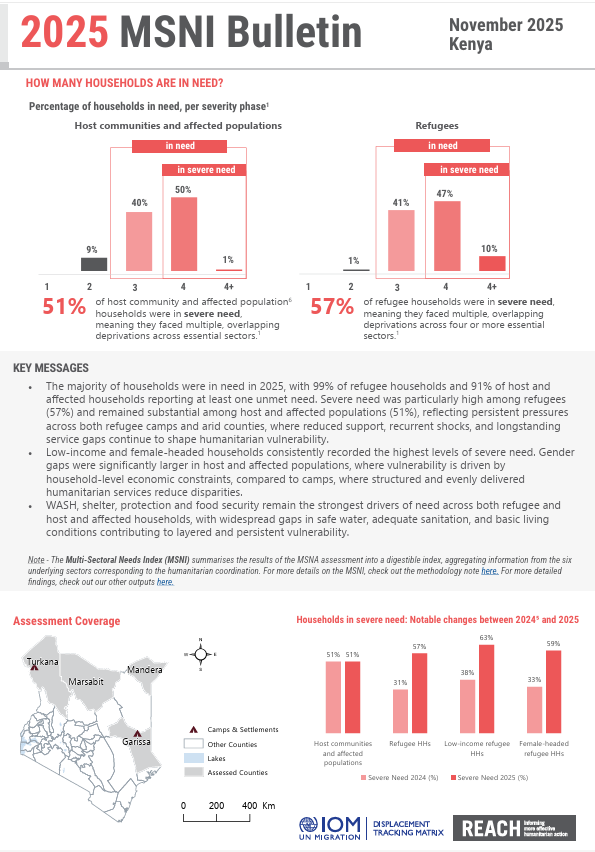
KENYA

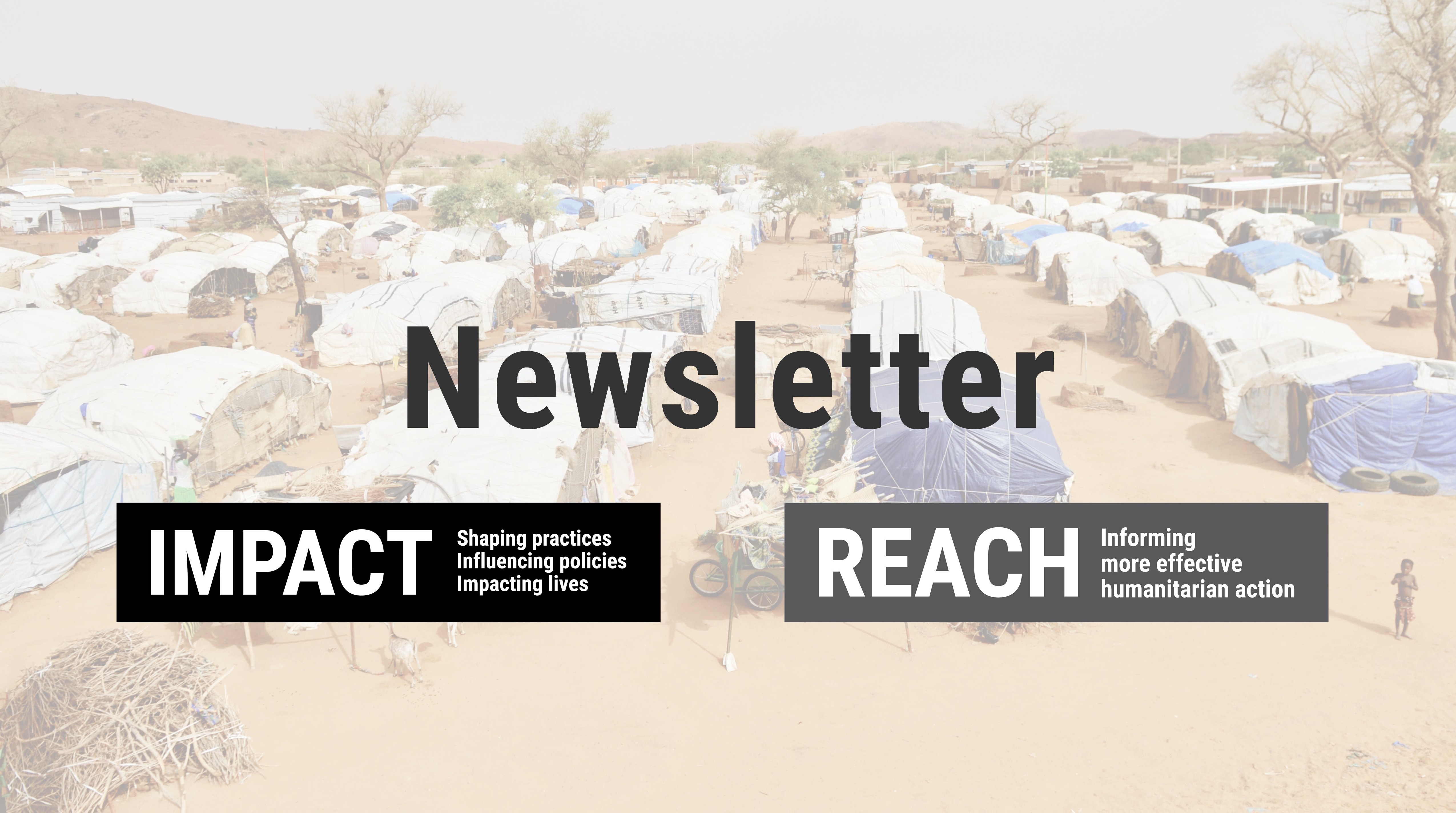
In affected areas, most households were in need in 2025, with 99% of refugee households and 91% of host and affected households reporting at least one unmet need. Severe need was particularly high among refugees and remained substantial among host and affected populations, reflecting persistent pressures across both refugee camps and arid counties, where reduced support, recurrent shocks, and longstanding service gaps continue to shape humanitarian vulnerability. 
Read the Kenya MSNI bulletin

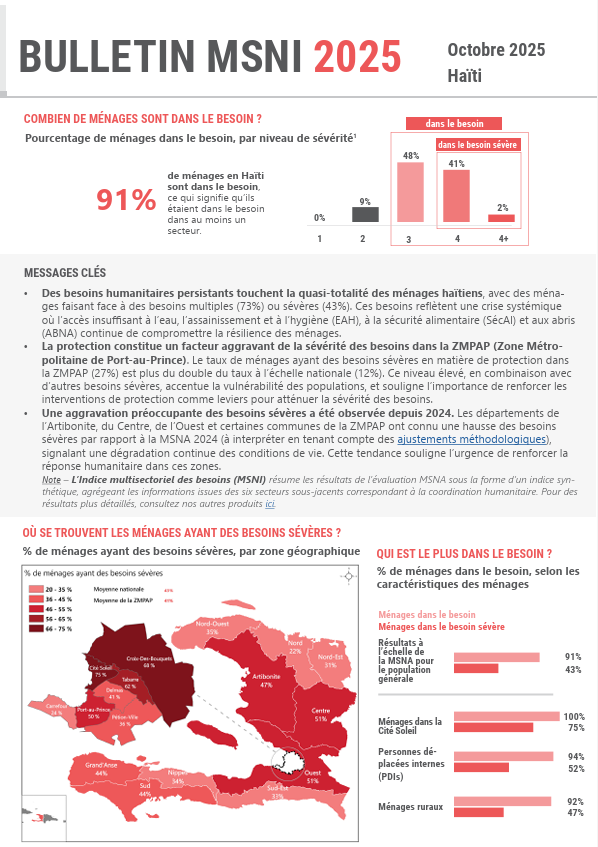
HAITI

The departments of Artibonite, Centre, West, and certain municipalities in the ZMPAP have seen an increase in severe needs compared to the 2024 MSNA, signaling a continued deterioration in living conditions. This trend underscores the urgency of strengthening the humanitarian response in these areas.

Read the Haiti MSNI bulletin

All other products will be published in the coming weeks. You can sign up to the Resource Centre to receive notifications every time a product is published 

Sign up to the Resource Centre

Other publications - our pick of the month

  • Global | Education in Emergencies dashboard: This overview has been updated with the data collected through the MSNAs this year. Education needs are fueled globally by a myriad of new, continuing, recurring and often overlapping crises. In 2025, more than one third of the school-aged population residing in the areas covered by the MSNAs were fully denied their right to access education.
  • Somalia | Global toolkit for Area-Based Durable Solutions Assessment: The findings from the assessment provide critical insights into the realities, aspirations, and barriers faced by displacement-affected communities.
  • DRC | Needs and Accountability of Affected Populations in the East: This brief gives an overview of the priority needs created by persisting violence, the preferred modality of assistance, and some insights on how to improve the accountability of humanitarian assistance.

Check our latest vacancies!

VEN | Research Manager

GLOBAL | Data Engineering Specialist

OPT | Senior Assessment Officer

SUDAN | Senior Assessment Officer

About IMPACT

Founded in 2010 and headquartered in Geneva, IMPACT Initiatives is a leading applied research organization and the largest independent provider of data in crisis-affected contexts. Through the REACH initiative in particular, we enable humanitarian and other aid actors to make better, evidence-based decisions by delivering timely, relevant, and methodologically rigorous data and analysis. Our extensive presence across crisis-contexts allows us to collect data directly from crisis-affected people wherever needed, including among the most vulnerable and hard-to-reach.

Stay up-to-date on our latest insights and analysis by subscribing to our newsletter.

Or access all our data and information products on our Resource Centre!

Unsubscribe here.