If you are not able to see the images in this email, some of which include links, please ensure that you have enabled visibility of images from this sender, which may appear above the email. 

View this mail in your browser

Dear readers, this newsletter aims to bring you the latest updates and products from IMPACT and its initiative REACH. 

Crises in spotlight

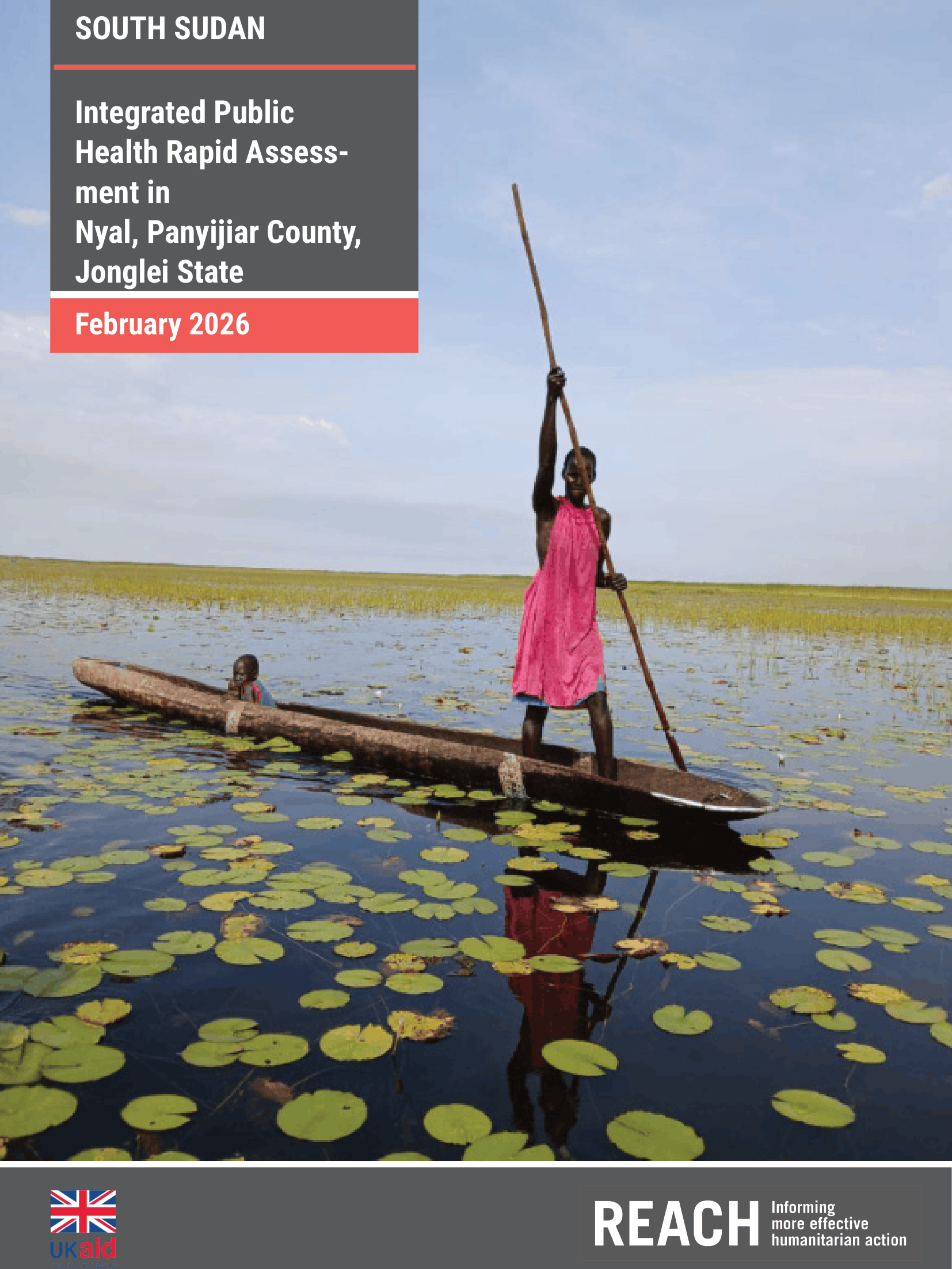
❯ South Sudan: Recent public health rapid assessments have highlighted severe conditions and life-threatening risks across flood-affected communities . In Nyal Payam (Unity State), REACH teams assessed a crude mortality rate of 1.21 [95% CI: 0.694– 1.729] deaths per 10,000 people per day, indicating emergency-level conditions driven by preventable, non-traumatic causes, with diarrhea and dehydration accounting for a substantial proportion of deaths. An immediate scale-up of health, nutrition, and sanitation services, alongside integrated humanitarian action, is essential to prevent further loss of life and protect the most vulnerable.

❯ Democratic Republic of Congo:
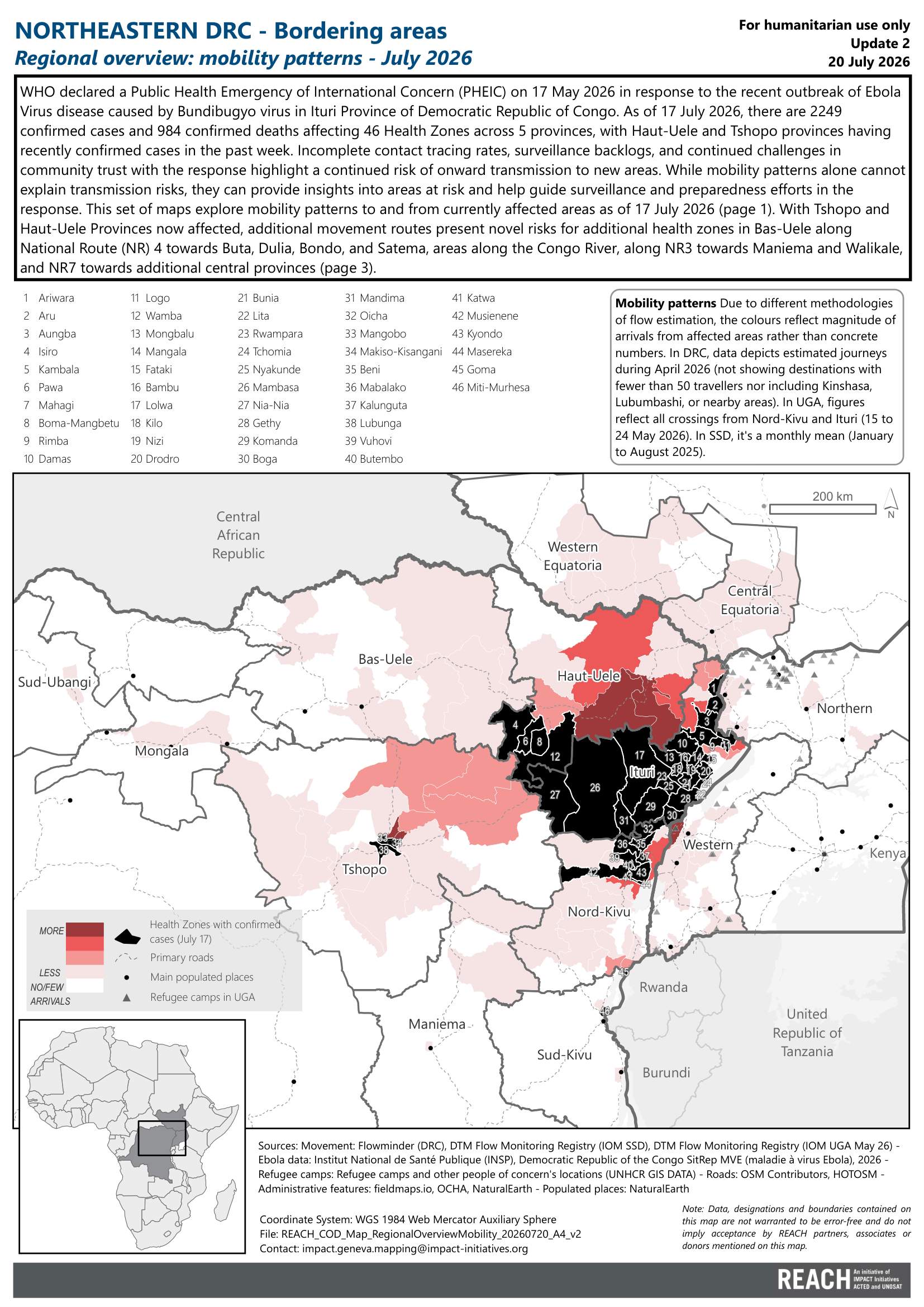
As the Ebola outbreak continues in Eastern DRC, IMPACT teams are supporting preparedness and response. REACH's July geo-spatial analysis tracks population mobility and at-risk areas as cases spread to new health zones. As of 18 July 2026: 2,344 confirmed cases, 930 confirmed deaths, 46 affected health zones. Kisangani Town (Tshopo), a major commercial hub, poses onward transmission risk via transport routes, rivers, and downstream markets. April movement data also flags Bondo Health Zone (Bas-Uele), bordering Satema Town in CAR, as a likely arrival point. Earlier REACH assessments (February) recorded a crude mortality rate of 0.77 [95% CI: 0.69–1.73] deaths/10,000/day in Aungba (Ituri), which underscores the severity in a context already weakened by disrupted nutrition services, and health system gaps.
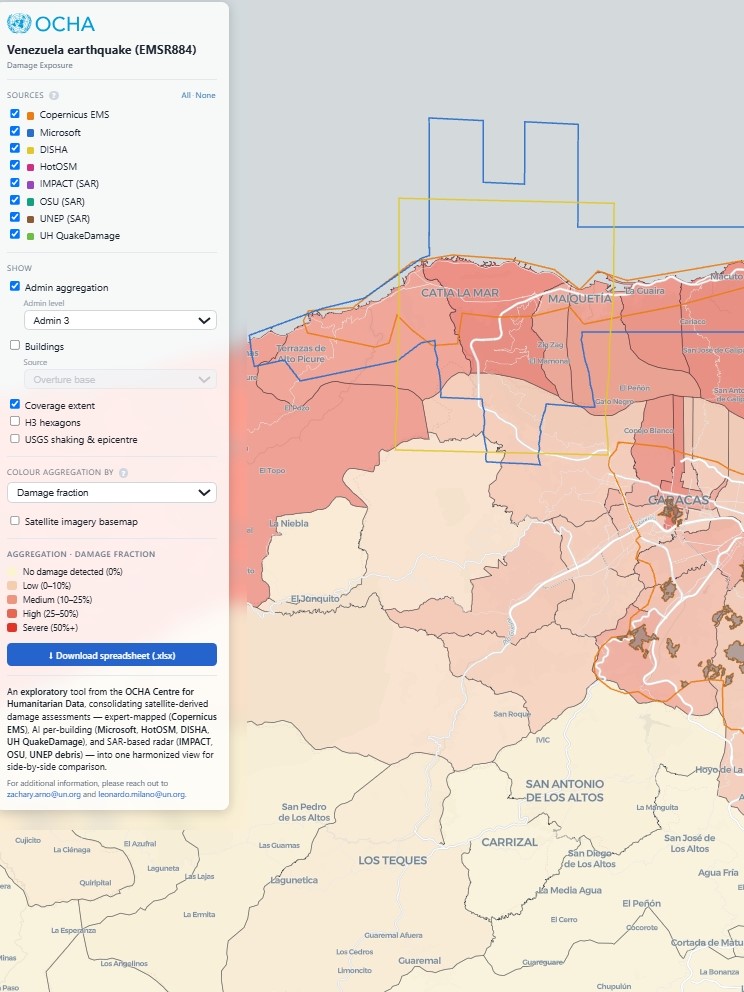
❯ Venezuela: Following the 24 June earthquakes, IMPACT has supported the humanitarian response by identifying pre-existing needs in affected areas. Findings from IMPACT’s assessments have contributed to earthquake damage mapping and exposure analysis, available on the OCHA Centre for Humanitarian Data dashboard .

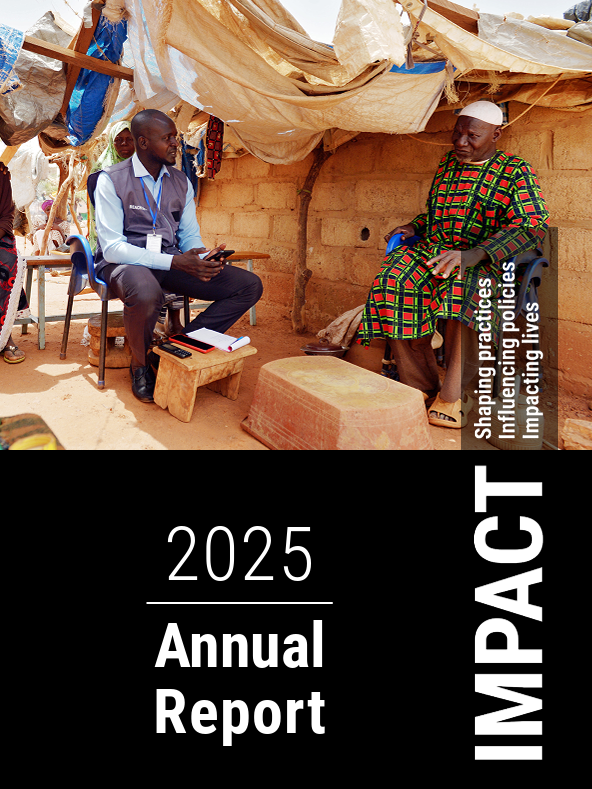
IMPACT 2025 Annual Report is now out

In 2025, funding cuts and political pressures placed increasing strain on the humanitarian system. Despite these constraints, IMPACT remained operational, principled, and committed to delivering evidence where it is needed most.

Key highlights of 2025:

  • Adapted and refocused: We accelerated key elements of our 2025–2030 Strategic Framework to remain relevant, resilient, and impactful in a challenging funding environment.
  • Sharper analysis, stronger impact: We streamlined research and aligned data collection around needs severity, community priorities, and assistance effectiveness to deliver more coherent and actionable analysis.
  • Invested in innovation that drives action: Through accelerated digitalisation and a targeted communications strategy, we improved analytical quality while translating complex evidence into clear prioritisation messages that support more principled and effective humanitarian action.
Read the Annual Report

MSNA activities have started in more than 20 crisis contexts

Through Multi-Sector Needs Assessments (MSNAs), our field teams collect data directly from affected communities, including in remote and challenging environments, to identify who is most in need, where needs are most severe, and the key drivers behind them. These insights support humanitarian coordination and help decision makers prioritise resources and interventions.

Further information on MSNAs , including methodology , geographic coverage, and key resources , is available on the dedicated page .

Access MSNA Resources 

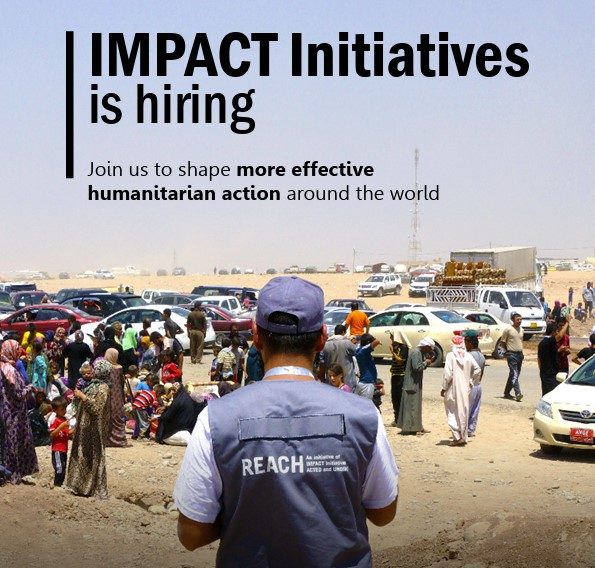
Check our latest vacancies !

MENA | Multi Country Representative

AFGHANISTAN | Assessment Specialist

DRC | Chargé.e d’évaluation

About IMPACT

Founded in 2010 and headquartered in Geneva, IMPACT Initiatives is a leading applied research organization and the largest independent provider of data in crisis-affected contexts. Through the REACH initiative in particular, we enable humanitarian and other aid actors to make better, evidence-based decisions by delivering timely, relevant, and methodologically rigorous data and analysis. Our extensive presence across crisis-contexts allows us to collect data directly from crisis-affected people wherever needed, including among the most vulnerable and hard-to-reach.

Stay up-to-date on our latest insights and analysis by subscribing to our newsletter.

Or access all our data and information products on our Resource Centre!

Unsubscribe here.